iPhone 18 Pro & Pro Max: The Spec Sheet, Decoded
A20 Pro, a ƒ/1.48–ƒ/4.0 variable aperture, '8x optical-quality' zoom and the C2 modem, decoded. Plus India prices, what's new over the 17 Pro and who should upgrade.
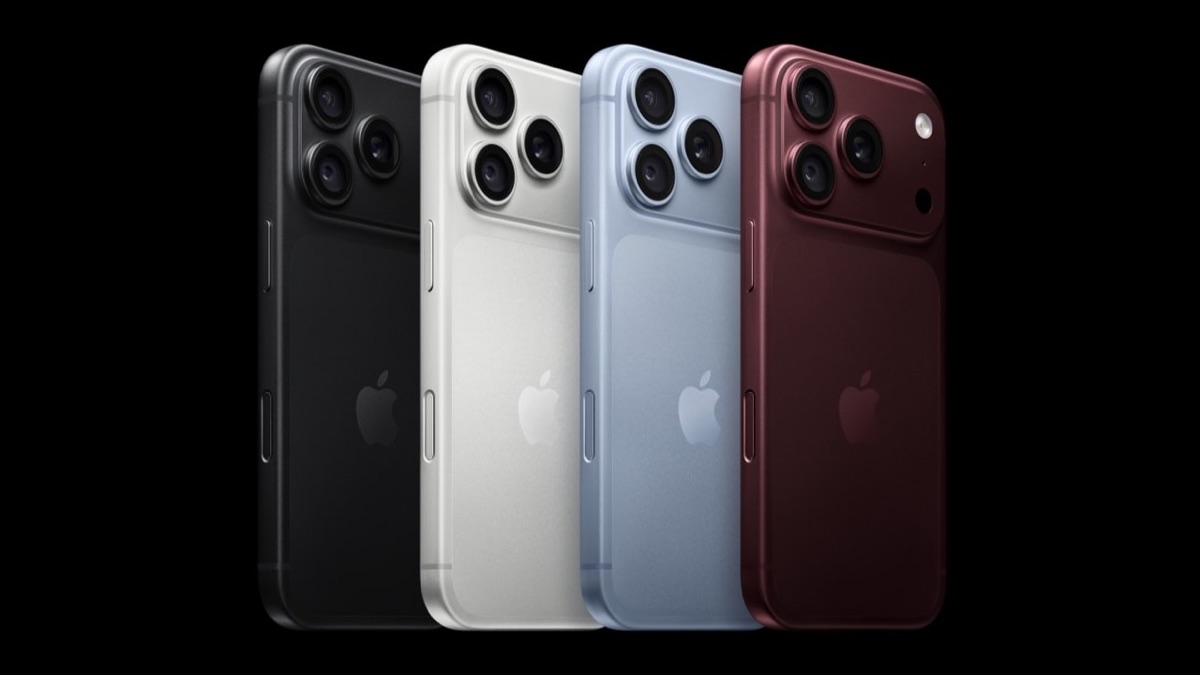
Photo: Apple
Basgo saysOn a 17 Pro? Skip it. On a 15 Pro? Upgrade.
Strip away the launch-event music and the iPhone 18 Pro is the same body, the same screen and two of the same three cameras as last year. What’s new is a faster chip, a main camera with an adjustable iris, bigger batteries and a bigger bill. Here’s the spec sheet, line by line, and what each change is worth to you.
Price: the jump nobody put on a slide
Apple India’s MRP, October 2026:
| 256GB | 512GB | 1TB | 2TB | |
|---|---|---|---|---|
| iPhone 18 Pro | ₹1,64,900 | ₹1,89,900 | ₹2,39,900 | ₹3,14,900 |
| iPhone 18 Pro Max | ₹1,79,900 | ₹2,04,900 | ₹2,54,900 | ₹3,29,900 |
At 256GB that’s ₹30,000 more than the iPhone 17 Pro and 17 Pro Max cost at launch, and the gap widens as storage goes up. Apple raised prices worldwide this year and reports blame memory and storage costs. The 6.3-inch Pro now comes in 2TB too.
“A20 Pro, 2nm”: the chip, decoded
2nm is the size class of the chip’s transistors. Smaller transistors means more of them in the same space, using less power. It’s the first iPhone chip on this process.
Apple claims the CPU is up to 20% faster and the GPU up to 40% faster than the 17 Pro’s. Independent tests found about 22–24% more single-core speed, with multi-core gains varying by test. You will feel it in heavy games, video exports and on-device AI. You won’t feel it in WhatsApp, UPI or Instagram, because the 17 Pro was never slow at those.
The quieter upgrade is cooling. Memory now sits beside the chip, so the chip rests directly on a vapour chamber (a flat, sealed cooling plate) with three times the surface area of last year’s. Apple claims up to 40% better sustained performance, so it holds its speed better through a long gaming session. RAM is reported at 12GB, the same as before.
“ƒ/1.48–ƒ/4.0”: the camera change that matters
The headline is the variable aperture on the 48MP main camera. The aperture is the hole that lets light in, and phones have had a fixed one forever. This one has a six-blade iris, like a real camera lens, with four stops:
- ƒ/1.48: wide open. Most light, so better night shots, plus a natural blur behind your subject. Apple claims about 50% better low-light performance at this setting.
- ƒ/1.8 and ƒ/2.8: the middle. One reviewer found ƒ/2.8 the sharpest across the whole frame.
- ƒ/4.0: narrowest. More of the scene in focus front to back, for group photos at a wedding, a plate of food or a document.
It works automatically, and the new Pro controls let you set aperture, shutter speed and white balance yourself, with a histogram. Reviewers note ƒ/1.48 gets a little soft at the edges. That’s physics, not a fault.
“8x optical-quality”: how many lenses you really get
The marketing says a 16x optical-quality zoom range. Here’s how that adds up:
- There are only three physical lenses: 0.5x ultra wide, 1x main and a 4x telephoto. All are 48MP, and the ultra wide and telephoto are unchanged from the 17 Pro.
- 2x is a 12MP crop from the centre of the main sensor, and 8x is a 12MP crop from the telephoto. They’re clean crops, not extra lenses.
- 0.5x to 8x is the “16x range”. Past 8x it’s digital zoom, up to 40x, and it looks like it.
The 18MP Center Stage selfie camera is also unchanged. Video gains Cinematic mode at 4K60 (it was 4K30), blur effects you can add after shooting, and 4K Dolby Vision time-lapse.
Battery and charging: read the Indian numbers
Apple India rates the 18 Pro at up to 34 hours of video (the 17 Pro managed 31) and the Pro Max at 43 hours (from 37). Many Indian spec sites print 36 and 45 hours and bigger mAh figures. Those belong to the eSIM-only US models, which have room for a bigger battery. Teardowns and EU filings put the Indian units at about 4,056 mAh (Pro) and 5,391 mAh (Pro Max).
Wired charging is faster on paper: 50% in about 15 minutes. The fine print says that needs a 60W-capable USB-C PD adapter, and there’s no charger in the box. Apple’s own costs about ₹4,490. Testers saw the Pro Max hit that figure and the smaller Pro fall a little short. MagSafe and Qi2 stay at 25W.
Body: same size, a bit heavier
The build is still an aluminium unibody, with Ceramic Shield 2 on the front and IP68 water and dust resistance. It’s the same size to the millimetre, so your 17 Pro case fits. It is heavier, though: 211 g for the Pro and 249 g for the Pro Max, the heaviest non-folding iPhone yet. Colours are Black, Silver, Glacier and Burgundy.
“C2 modem”: an India twist
Indian units use C2, Apple’s own 5G modem, in both sizes. (In the US, the Pro Max still uses Qualcomm’s.) Apple promises better uploads and 15% less power use than its previous modem. No independent tests yet, so treat it as a promise. India gets 5G on the regular sub-6 GHz bands. As before, it takes one nano-SIM plus an eSIM, so you keep your SIM tray.
What didn’t change
The 6.3- and 6.9-inch 120Hz screens are the same, apart from a smaller Dynamic Island that can show three live updates at once. Also unchanged: 25W MagSafe, the Action button, Camera Control and Wi-Fi 7. Siri AI and Apple Intelligence on iOS 27 run on the 17 Pro as well, so they’re not a reason to upgrade.
Honest verdict
The iPhone 18 Pro is an excellent phone and a small step: a faster, cooler chip, a genuinely useful variable-aperture camera and a few more hours of battery, for ₹30,000 more.
- On a 17 Pro? Skip it. Nothing here changes your day.
- On a 16 Pro? Only if night photos and heavy gaming matter to you.
- On a 15 Pro or older, or a non-Pro iPhone? This is a worthwhile jump. The telephoto, the camera and the battery are all a big step up.
- Want 90% of it for less? Apple has stopped selling the 17 Pro, but authorised resellers still had stock at around ₹1.3 lakh in October. It’s worth checking live prices before you pay the 18 Pro premium.
Thinking bigger? Here’s our take on the foldable iPhone Duo. Wondering whether to wait for the regular iPhone 18? That’s its own question.
Questions people ask
What is the iPhone 18 Pro's price in India?
Apple India's MRP for the iPhone 18 Pro is ₹1,64,900 (256GB), ₹1,89,900 (512GB), ₹2,39,900 (1TB) and ₹3,14,900 (2TB). The 18 Pro Max is ₹1,79,900, ₹2,04,900, ₹2,54,900 and ₹3,29,900. That's ₹30,000 more than the iPhone 17 Pro and 17 Pro Max at the same 256GB storage.
Should I upgrade from the iPhone 17 Pro to the 18 Pro?
Probably not. The screen, ultra wide, telephoto and front cameras, size and build are unchanged. The real differences are the faster A20 Pro chip, the variable-aperture main camera, a few hours more battery and faster wired charging. From an iPhone 15 Pro or older, the jump is worth it.
Does the iPhone 18 Pro come with a charger?
No, just a USB-C cable. The quoted 50% in about 15 minutes needs a 60W-capable USB-C Power Delivery adapter, such as Apple's 40W Dynamic Power Adapter with 60W Max, which sells for about ₹4,490. A slower adapter still works, just slower.
Is the Indian iPhone 18 Pro eSIM-only?
No. The Indian iPhone 18 Pro and Pro Max take one nano-SIM plus an eSIM, or two eSIMs. The eSIM-only versions are sold in markets like the US. In India, only the foldable iPhone Duo is eSIM-only.
What does the variable aperture on the iPhone 18 Pro do?
The main camera's opening can now change between ƒ/1.48 (wide open, more light and blur behind your subject) and ƒ/4.0 (narrow, more of the scene in focus). It works automatically, or you can set it yourself in the new Pro controls. Group photos, food and documents benefit most from the narrower settings.